Tempo
Explore tempo through music, examples, and listening.
What Is Tempo?
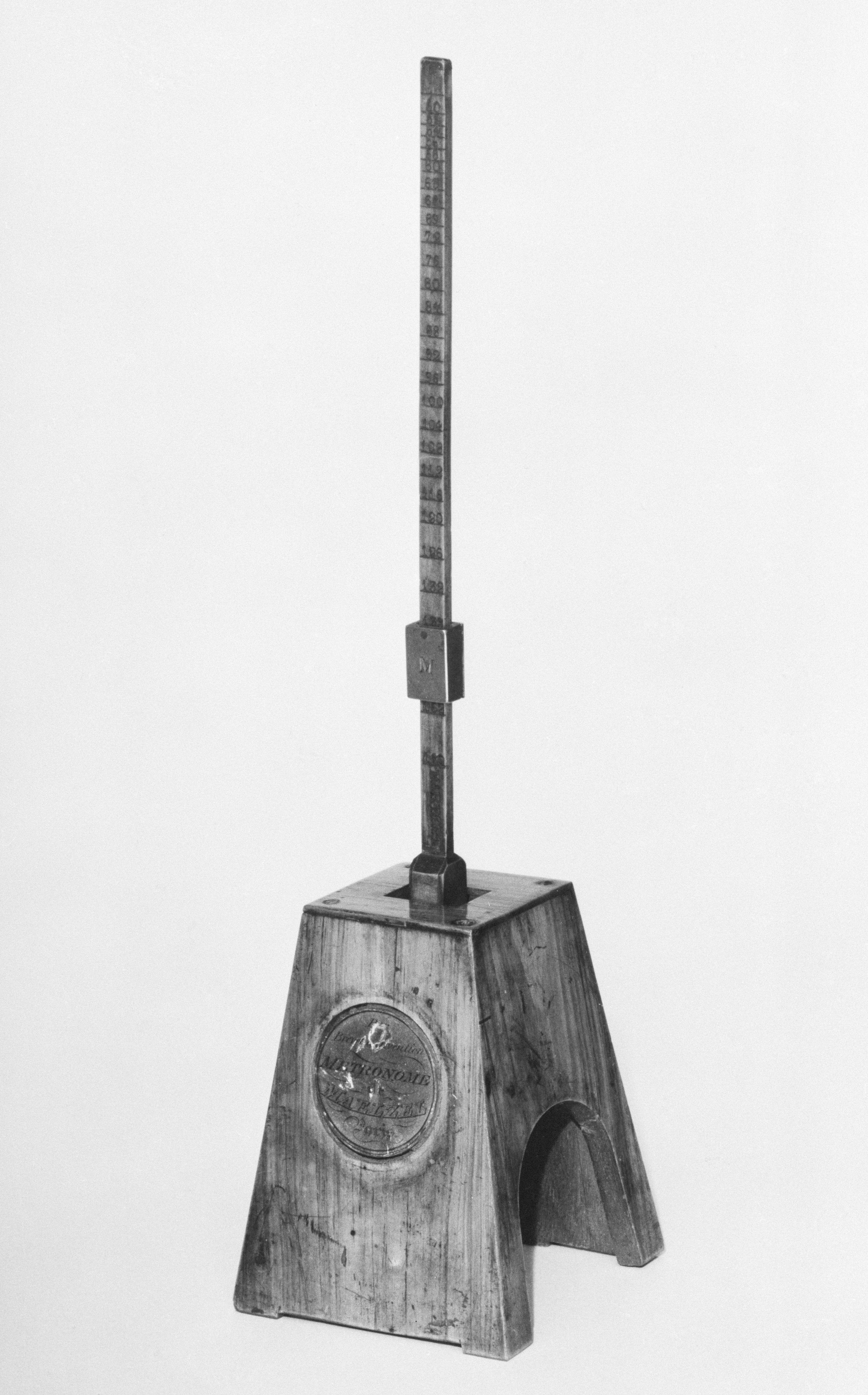
Tempo is the speed of the beat in music. A slow tempo leaves more time between beats, while a fast tempo brings them closer together. The rhythm can stay the same even when its tempo changes.
Try tapping a steady beat on your knees. Now leave more time between taps. You have changed the tempo without changing the pattern.
How Do Musicians Choose a Speed?
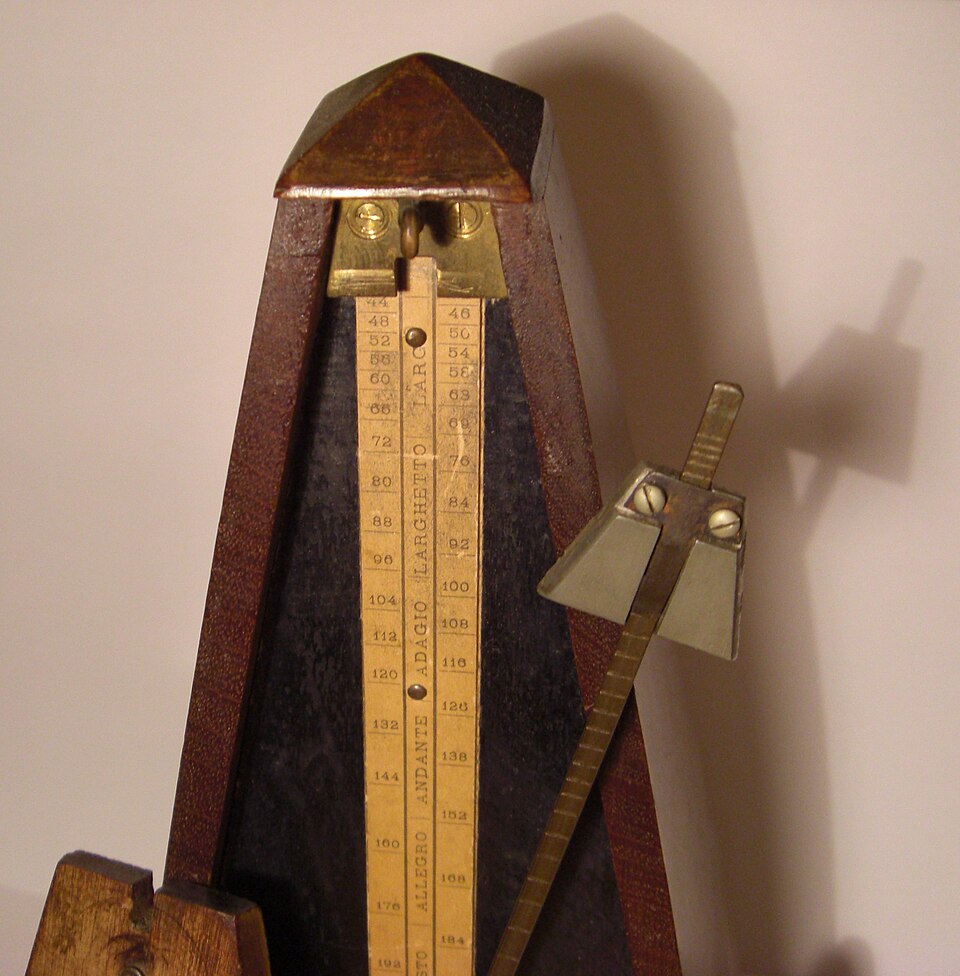
Musicians may see words such as largo (broad and slow), andante (at a walking pace), and allegro (fast). These words help suggest the speed and character of a piece.
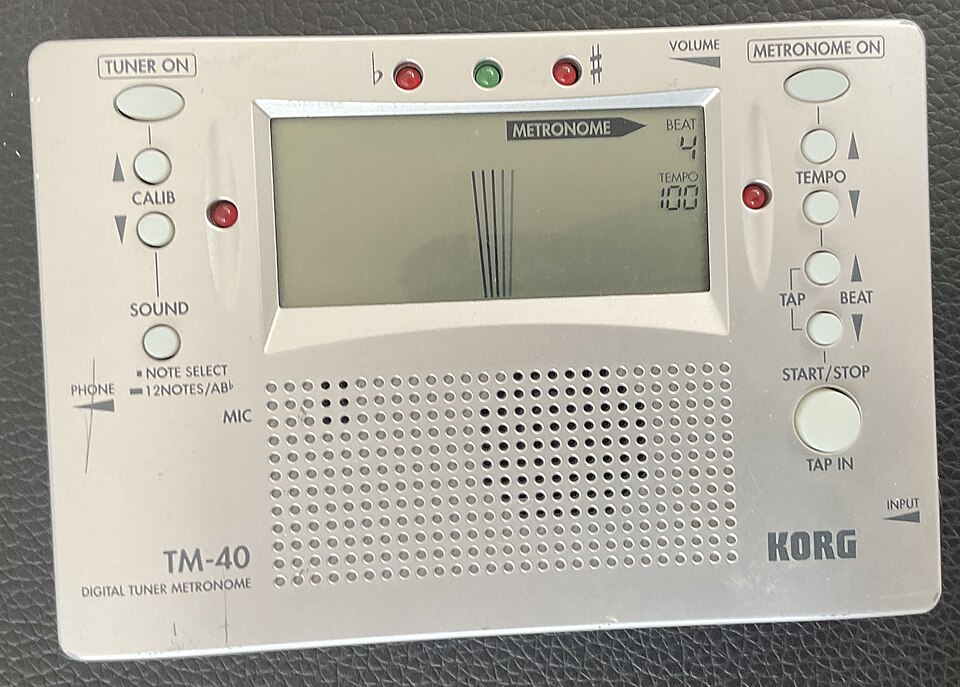
A metronome gives a steady click. A marking of 60 beats per minute means one beat each second; 120 beats per minute is twice as fast. A note symbol beside the number tells you which note value is being counted.
Listen and Keep the Beat
Listen to the two groups of clicks. The first has a steady beat, and the second is faster. Tap along gently and notice how the space between beats changes.
Tempo describes speed, not loudness. A fast piece can be soft, and a slow piece can be loud. Listen again and describe which musical feature changed.