Squeaks and uneven octave changes
Make the same note work consistently before attempting a faster passage.
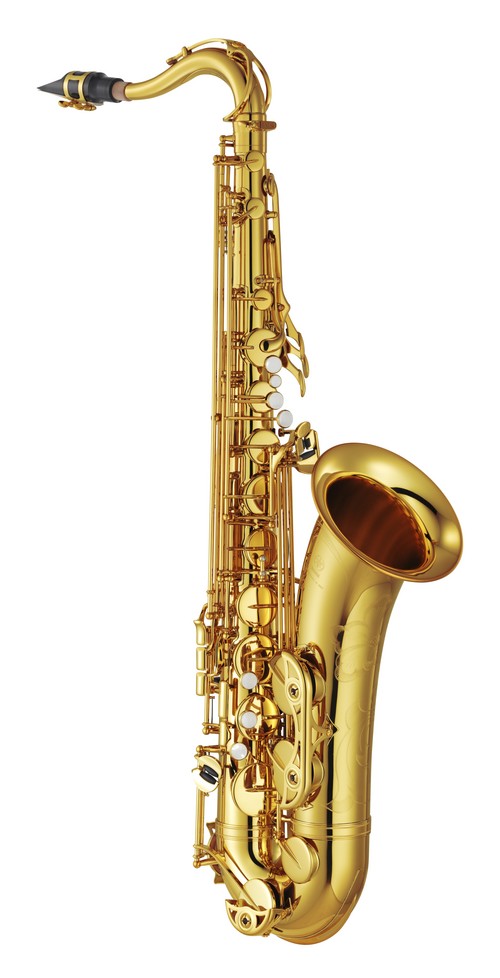
A saxophone depends on a working reed, a secure mouthpiece setup, and keys that close reliably. Soprano, alto, tenor, and baritone differ in size and feel, so use guidance suited to your model.
When something does not work, repeating it faster often makes the cause harder to hear. Separate the problem into a short, repeatable task. Check the instrument and setup, choose one movement to observe, and compare the result before moving on.
This guide focuses on squeaks and uneven octave changes. Work through the checks in order and bring persistent problems to a teacher who plays saxophones. Adapt the routine to your instrument model and your teacher's instructions.
Start with the reed
Check for chips, a warped reed, or misalignment. Compare with another working reed. A problem that stays on one fingering may point to key adjustment rather than reed strength.
Slow the octave change
Alternate one comfortable note and its octave slowly, coordinating the octave key with steady air. Avoid a large jaw jump just to reach the higher note.
Know your instrument
Soprano and baritone do not feel identical to alto. Use fingerings and equipment appropriate to the instrument, and confirm written versus concert pitch when using a tuner.
Find the octave-key transition
Play a comfortable saxophone note alone, then its octave alone. Next, alternate slowly and coordinate the octave key with the fingers. If only the transition fails, focus on movement and steady air. If the upper or lower note consistently fails alone, check the reed and have the mechanism assessed.
Use the correct pitch comparison
A saxophone tuner check must account for the instrument’s transposition. Confirm whether you are naming written notes or concert notes before comparing results. Record the affected written fingering and the saxophone type. That information helps your teacher interpret squeaks, pitch changes, and possible octave-mechanism problems.
Your next practice
Make the problem smaller, work slowly enough to observe it, and use what you notice to choose the next step.
Sources & further reading
These manufacturer and educational references support the underlying care or playing principles. The short practice exercises are OpenScores suggestions; the sources do not review or endorse this article.
Was this article helpful?
Report something confusing
No personal details needed. Log in to submit; your feedback goes to the OpenScores admin panel.