Reed, neck, and body care for saxophone
Use a swab sized for your saxophone and keep the reed dry between sessions.
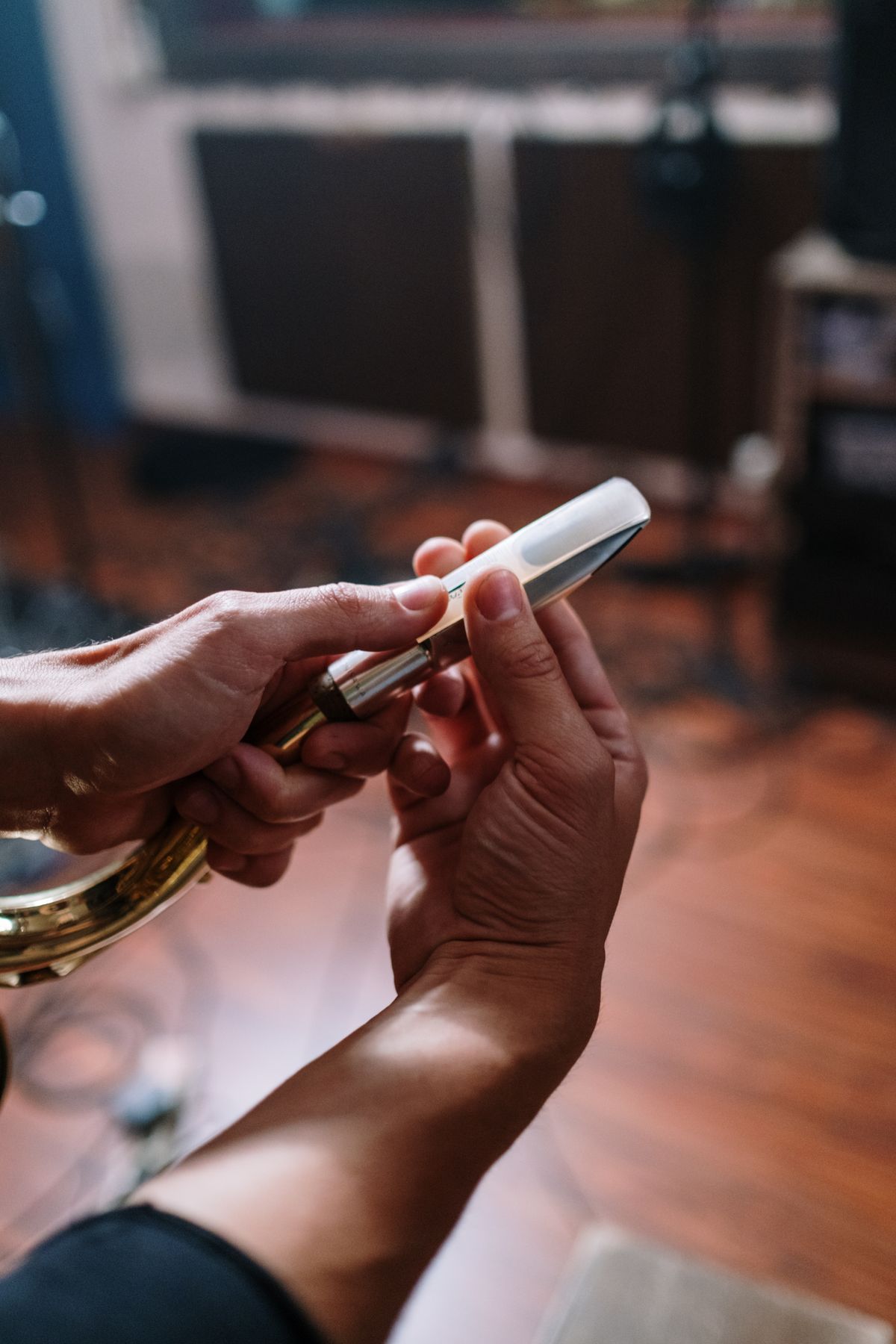
A saxophone depends on a working reed, a secure mouthpiece setup, and keys that close reliably. Soprano, alto, tenor, and baritone differ in size and feel, so use guidance suited to your model.
A good after-playing routine should be simple enough to repeat. The aim is to remove normal moisture or residue, protect vulnerable parts, and notice problems early. Keep scheduled servicing with a qualified technician, and limit home care to routine cleaning.
This guide focuses on reed, neck, and body care for saxophone. Work through the checks in order and bring persistent problems to a teacher who plays saxophones. Adapt the routine to your instrument model and your teacher's instructions.
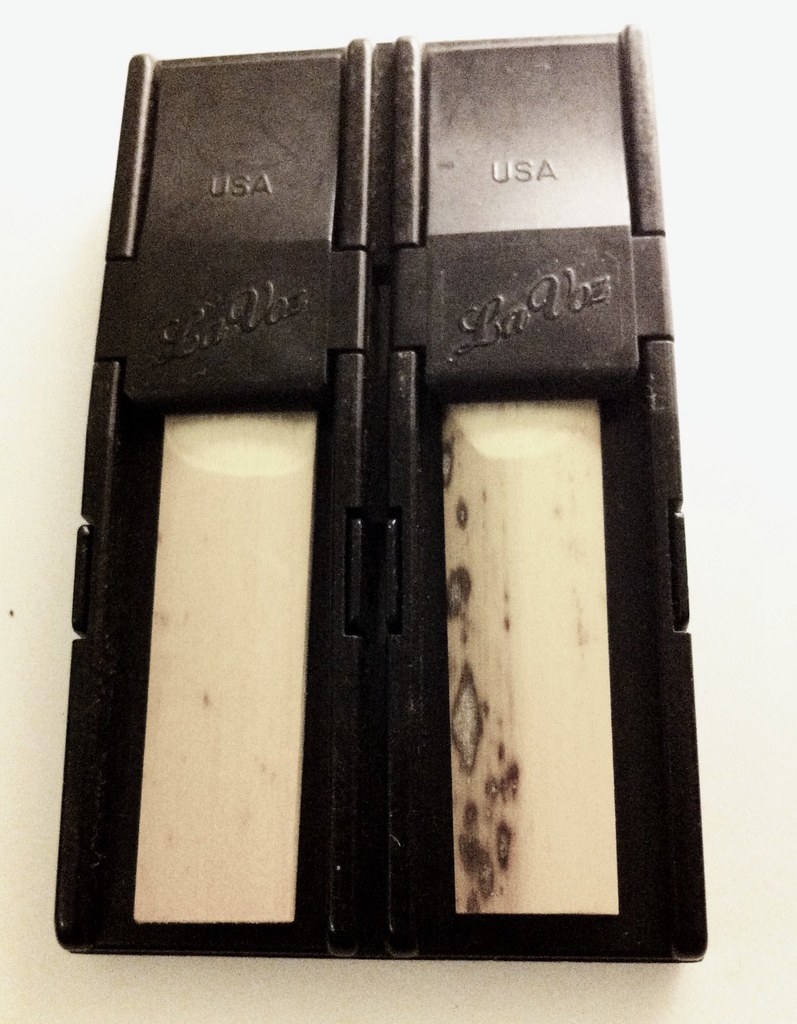
Take off the reed
Remove the reed from the mouthpiece, clear excess moisture, and store it in a ventilated reed holder. Clean the mouthpiece separately according to its material.

Dry neck and body
Use the correct neck and body swabs following the maker’s directions. Baritone bends may require dedicated tools. Stop if a swab catches; do not pull against the octave mechanism.
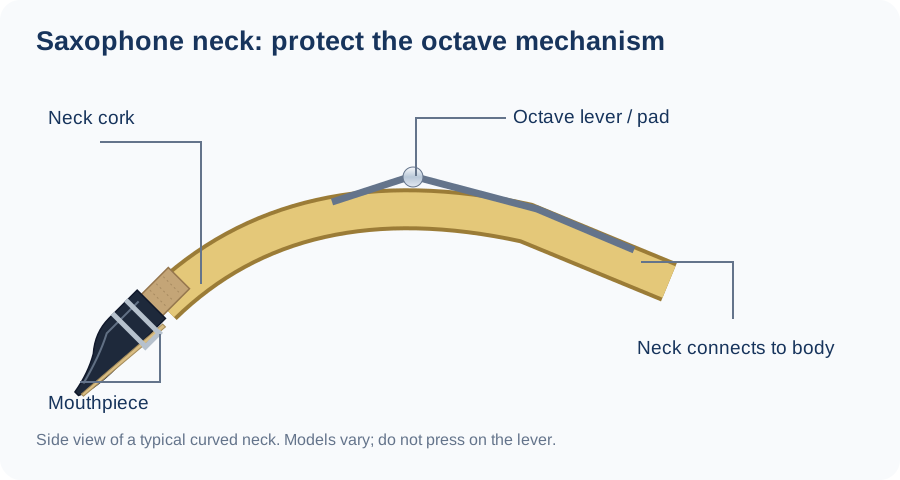
Protect the neck and keys
Wipe fingerprints lightly and use the fitted case. Assemble without pushing on keys or the neck’s octave lever. Have leaks, sticky pads, or loose mechanisms inspected.
Set out the right saxophone tools
Use neck and body swabs intended for your saxophone size. Alto tools may not suit a baritone’s bends. Remove the reed and clean the mouthpiece separately using its maker’s instructions. Let swabs dry outside the fitted case so they do not leave moisture next to the instrument.
Check the mechanism before playing
Look for a bent neck octave lever, a key that fails to return, or a joint that no longer seats normally. Assemble by holding the appropriate solid parts rather than pressing on the mechanism. If an easy note suddenly resists, ask for an inspection instead of forcing the keys closed.
Your next practice
Keep daily care gentle, use tools approved for your model, and leave uncertain adjustments to someone trained to make them.
Sources & further reading
These manufacturer and educational references support the underlying care or playing principles. The short practice exercises are OpenScores suggestions; the sources do not review or endorse this article.
Was this article helpful?
Report something confusing
No personal details needed. Log in to submit; your feedback goes to the OpenScores admin panel.