Common trombone playing problems
Work on one change at a time and check that the instrument is functioning.
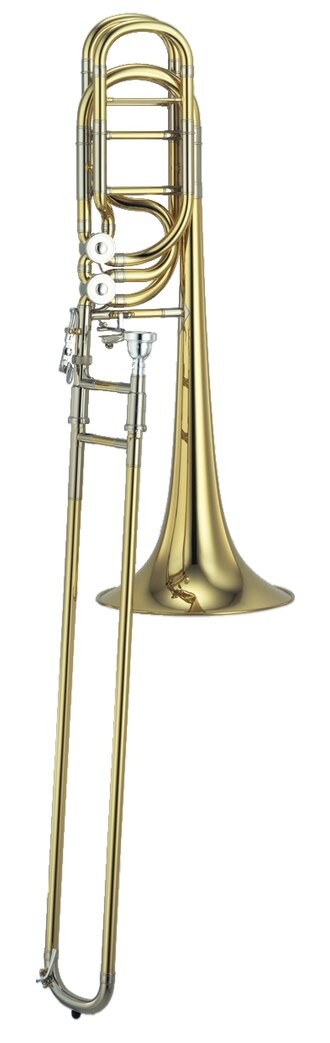
The trombone combines lip vibration with a moving slide. A freely responding instrument and deliberate slide movement make it easier to work on connected phrases and centered notes.
When something does not work, repeating it faster often makes the cause harder to hear. Separate the problem into a short, repeatable task. Check the instrument and setup, choose one movement to observe, and compare the result before moving on.
This guide focuses on common trombone playing problems. Work through the checks in order and bring persistent problems to a teacher who plays trombone. Adapt the routine to your instrument model and your teacher's instructions.
A dragging slide
Check the slide lubricant routine before adjusting your technique. A dent or alignment problem needs a repair technician; never try to bend the slide back.
Messy position changes
Move the slide decisively but without a hard stop. Practice two positions slowly with a metronome and listen for clean note beginnings.
Unstable pitch
Warm up and listen to a drone. Positions are starting points, not fixed guarantees of tuning; small adjustments depend on the note and instrument.
Check motion before adding tempo
Choose two slide positions that are difficult to connect. Practice at a slow pulse with a clear arrival and relaxed grip. Speed up only when the movement remains controlled. Have a dragging slide checked mechanically, and keep arm movement gentle.
Write down the tuning pattern
After warming up, compare the affected trombone note with a tuner or drone using your ensemble’s reference pitch. Note the partial and slide position. The same nominal position can need small changes on different notes, so ask your teacher about the pattern rather than marking one fixed location for everything.
Your next practice
Make the problem smaller, work slowly enough to observe it, and use what you notice to choose the next step.
Sources & further reading
These manufacturer and educational references support the underlying care or playing principles. The short practice exercises are OpenScores suggestions; the sources do not review or endorse this article.
Was this article helpful?
Report something confusing
No personal details needed. Log in to submit; your feedback goes to the OpenScores admin panel.