Common trumpet playing problems
Work on one change at a time and check that the instrument is functioning.
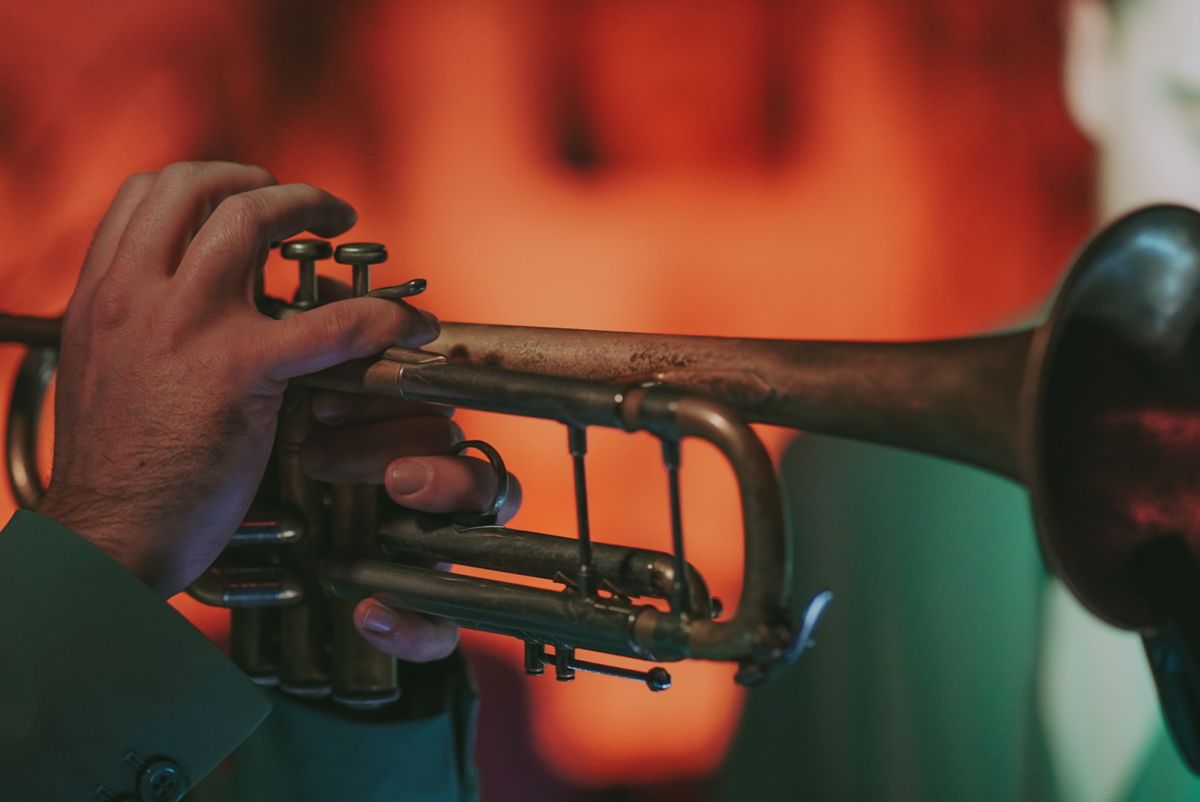
The trumpet responds to the coordination of air, vibrating lips, tongue, and valves. Reliable progress comes from repeatable coordination; extra pressure can hide a problem briefly without solving it.
When something does not work, repeating it faster often makes the cause harder to hear. Separate the problem into a short, repeatable task. Check the instrument and setup, choose one movement to observe, and compare the result before moving on.
This guide focuses on common trumpet playing problems. Work through the checks in order and bring persistent problems to a teacher who plays trumpet. Adapt the routine to your instrument model and your teacher's instructions.
Airy starts
Check mouthpiece seating and try an easier note. Start with coordinated air and tongue. A persistent airy sound may need an embouchure check rather than a new mouthpiece.
Notes that crack
Slow a lip slur and aim for the intended partial before adding valves. Practice valve changes cleanly and check fingerings.
Sticky valves
Lubricate as the manual directs and have the alignment checked. Do not force or rotate a piston into place when it is not seated correctly.
Separate fingers from the lip slur
Play the troublesome trumpet notes slowly with the correct fingerings. Then work on the corresponding lip movement at an easy dynamic, as your teacher directs. Notice whether the cracked note occurs before the valves arrive or despite a stable fingering. Rest between attempts to avoid fatigue hiding the cause.
When a valve stops cooperating
Check the approved oiling routine and that the piston is seated in its correct position. Do not rotate or force it while guessing at alignment. Write down which valve sticks and whether it happens after oiling, then show your teacher or a brass technician.
Your next practice
Make the problem smaller, work slowly enough to observe it, and use what you notice to choose the next step.
Sources & further reading
These manufacturer and educational references support the underlying care or playing principles. The short practice exercises are OpenScores suggestions; the sources do not review or endorse this article.
Was this article helpful?
Report something confusing
No personal details needed. Log in to submit; your feedback goes to the OpenScores admin panel.