Daily care for your trumpet
A daily routine is different from taking the instrument apart for a deep clean.
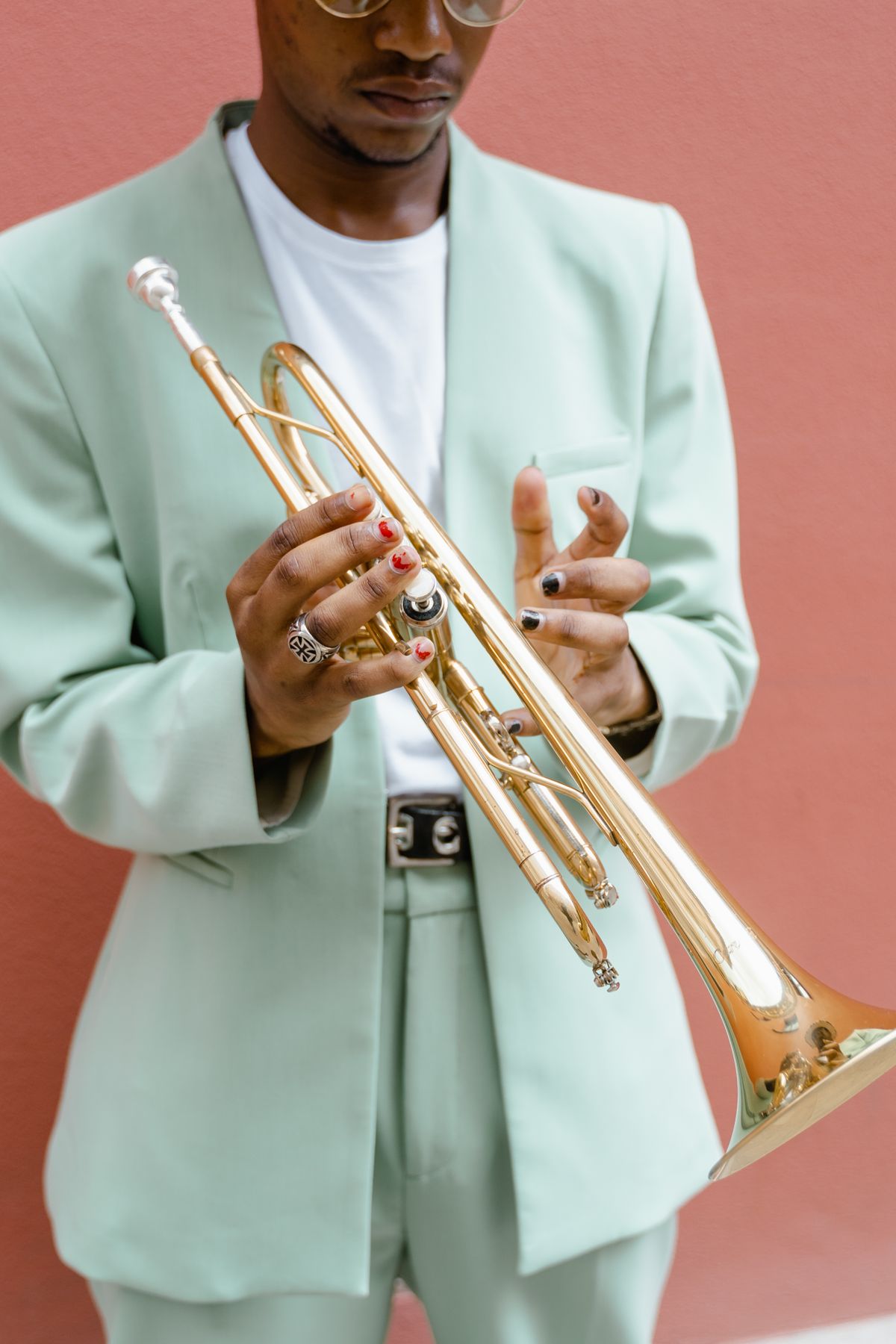
The trumpet responds to the coordination of air, vibrating lips, tongue, and valves. Reliable progress comes from repeatable coordination; extra pressure can hide a problem briefly without solving it.
A good after-playing routine should be simple enough to repeat. The aim is to remove normal moisture or residue, protect vulnerable parts, and notice problems early. Keep scheduled servicing with a qualified technician, and limit home care to routine cleaning.
This guide focuses on daily care for your trumpet. Work through the checks in order and bring persistent problems to a teacher who plays trumpet. Adapt the routine to your instrument model and your teacher's instructions.
Remove moisture
Empty water keys into a suitable container or absorbent cloth. Wipe the outside with a soft cloth before packing.
Use the correct lubricant
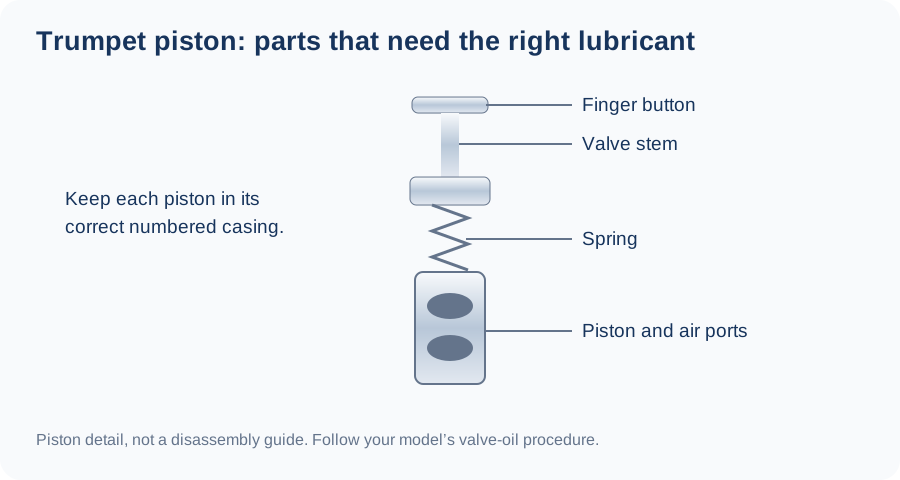
Apply the recommended piston oil as instructed, keeping each valve in its numbered position. Tuning-slide grease and valve oil have different jobs.
Save deep cleaning for a demonstrated routine
Clean the mouthpiece with an appropriate mouthpiece brush. Ask a teacher to demonstrate model-specific slide and valve cleaning; do not use hot water or abrasive polish.
Keep pistons in order
Follow the trumpet manual when applying piston oil. Each piston belongs in its numbered position and must seat correctly before playing. Do not interchange the valves or force them to turn. If a piston still sticks after the approved lubrication routine, have its fit and alignment inspected.
Pack after draining moisture
Drain the trumpet’s water keys over a suitable cloth or container, wipe fingerprints gently, and secure it in the fitted case. Keep brushes and damp cloths away from the finish. A stuck tuning slide needs a teacher or technician; pulling harder can damage the tubing or braces.
Your next practice
Keep daily care gentle, use tools approved for your model, and leave uncertain adjustments to someone trained to make them.
Sources & further reading
These manufacturer and educational references support the underlying care or playing principles. The short practice exercises are OpenScores suggestions; the sources do not review or endorse this article.
Was this article helpful?
Report something confusing
No personal details needed. Log in to submit; your feedback goes to the OpenScores admin panel.