A clearer tuba tone
Use a comfortable middle-register note and listen before adding pressure.
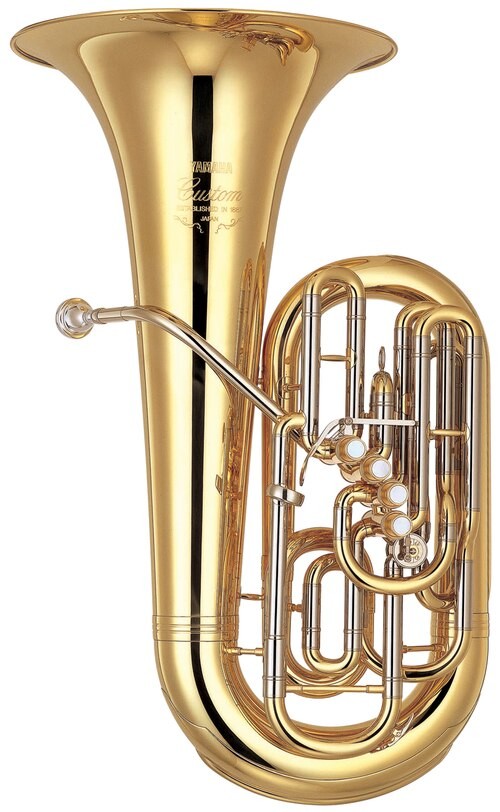
The tuba is a large instrument, but a useful sound study can begin with a small task. Support, a comfortable register, and an instrument that moves air freely are better starting points than trying to produce maximum volume.
A better sound rarely comes from changing every part of your playing at once. Begin with an easy note and a reliable setup, listen carefully, and try one small adjustment. You are looking for a repeatable improvement rather than one impressive note that takes extra effort.
This guide focuses on a clearer tuba tone. Work through the checks in order and bring persistent problems to a teacher who plays tuba. Adapt the routine to your instrument model and your teacher's instructions.
Set the instrument height
Use a suitable chair, stand, or support so the mouthpiece meets the face. Keep the head balanced instead of reaching down or lifting the shoulders.
Keep a full, easy breath
Allow a comfortable open breath and steady flow. Begin in an easy register at moderate volume; a bigger sound does not require clamping the lips.
Center the note
Hold one note for four counts and compare its center with a drone. Rest, then play again. Keep the sound clear at the end rather than letting it collapse.
Choose a reachable register
Use an easy middle-register tuba note for a short tone study. Support the instrument so you can breathe comfortably without reaching toward the mouthpiece. Keep the dynamic moderate, rest between attempts, and listen for a clear beginning and stable center.
Compare sound before volume
Record two short attempts with the same fingering and dynamic. Listen for the note’s center and a controlled ending. Work toward an even response before asking for more volume. If the note feels unusually resistant, check moisture and the setup with your teacher rather than forcing a larger breath through it.
Your next practice
Choose one comfortable task, change one variable, and keep the sound improvement you can repeat without extra strain.
Sources & further reading
These manufacturer and educational references support the underlying care or playing principles. The short practice exercises are OpenScores suggestions; the sources do not review or endorse this article.
Was this article helpful?
Report something confusing
No personal details needed. Log in to submit; your feedback goes to the OpenScores admin panel.