A more resonant viola sound
Good tone is a balance of motion and contact, not constant extra force.
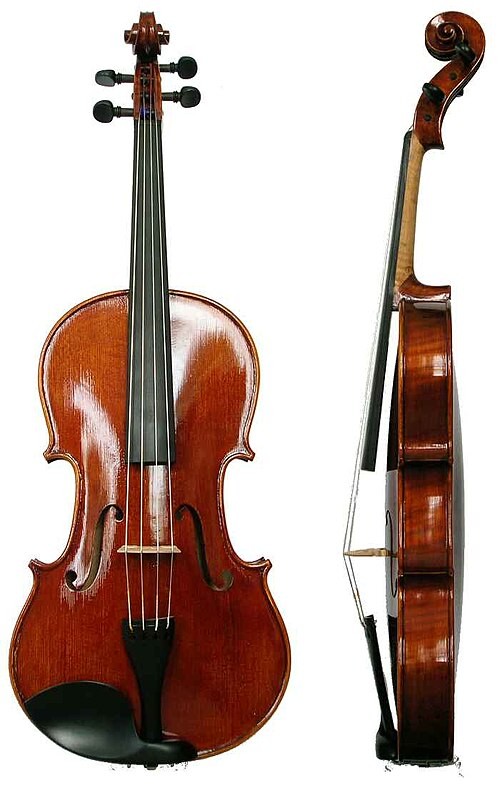
The viola deserves its own comfortable setup rather than a violin routine performed with more effort. Its lower strings and larger body make listening and coordination especially useful when exploring response.
A better sound rarely comes from changing every part of your playing at once. Begin with an easy note and a reliable setup, listen carefully, and try one small adjustment. You are looking for a repeatable improvement rather than one impressive note that takes extra effort.
This guide focuses on a more resonant viola sound. Work through the checks in order and bring persistent problems to a teacher who plays viola. Adapt the routine to your instrument model and your teacher's instructions.
Comfortable setup
Check that the viola size and shoulder setup let you reach without strain. A viola is not simply a violin held with more effort.
Listen to the string
The lower strings may need a different balance of bow speed and weight. Listen for a speaking note before trying to make it bigger.
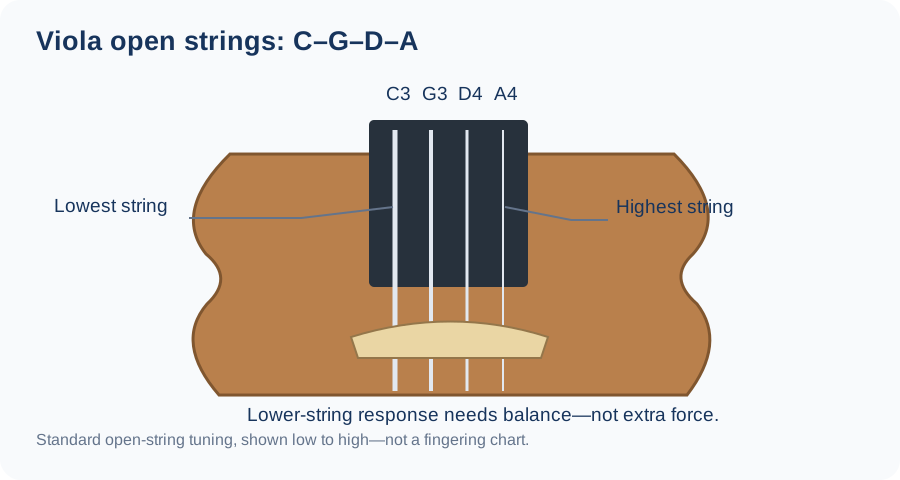
Try this short study
Alternate slow open C and G strings. Keep a clear start and consistent bow path, then repeat softly without crushing the sound.
Give the lower strings time to speak
Try slow open C and G strings at a moderate dynamic. Listen to the start of each stroke before changing bow speed or weight. The goal is a clear response, not extra downward force. Keep the arm and shoulder comfortable and compare one change at a time.
Repeat at a softer dynamic
Once the open-string response is steady, repeat the same pattern quietly. Keep enough bow motion for the string to speak without crushing it. Record a brief comparison and ask your teacher about a persistent delayed start rather than assuming stronger pressure will solve it.
Your next practice
Choose one comfortable task, change one variable, and keep the sound improvement you can repeat without extra strain.
Sources & further reading
These manufacturer and educational references support the underlying care or playing principles. The short practice exercises are OpenScores suggestions; the sources do not review or endorse this article.
Was this article helpful?
Report something confusing
No personal details needed. Log in to submit; your feedback goes to the OpenScores admin panel.