Cleaning a clarinet without damaging it
Remove moisture and protect the reed after every session.

On a clarinet, the reed, mouthpiece, fingers, and air all contribute to response. B-flat, A, and bass clarinets share important principles, but their cleaning tools and support arrangements are not interchangeable.
A good after-playing routine should be simple enough to repeat. The aim is to remove normal moisture or residue, protect vulnerable parts, and notice problems early. Keep scheduled servicing with a qualified technician, and limit home care to routine cleaning.
This guide focuses on cleaning a clarinet without damaging it. Work through the checks in order and bring persistent problems to a teacher who plays clarinets. Adapt the routine to your instrument model and your teacher's instructions.
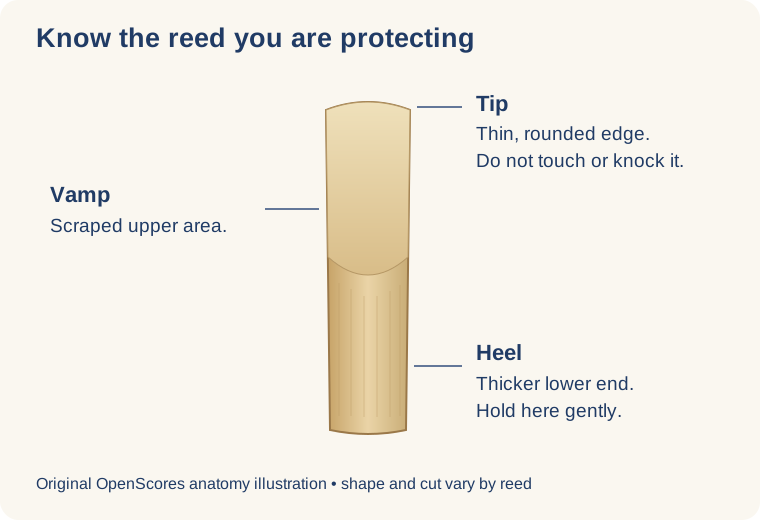
Reed and mouthpiece
Remove the reed carefully, wipe away excess moisture, and store it flat in a ventilated reed case. Clean the mouthpiece according to its material and maker’s instructions; avoid hot water.
Swab the correct parts
Use the correct swab for your clarinet size. Swab the body sections gently; do not drag a bulky body swab through the mouthpiece. If it catches, stop rather than pulling hard.
Wood and mechanisms
Wipe the outside lightly and return the instrument to its case. Do not immerse a wooden body or lubricate pads. Bass clarinet necks and bends may need a different cleaning tool.
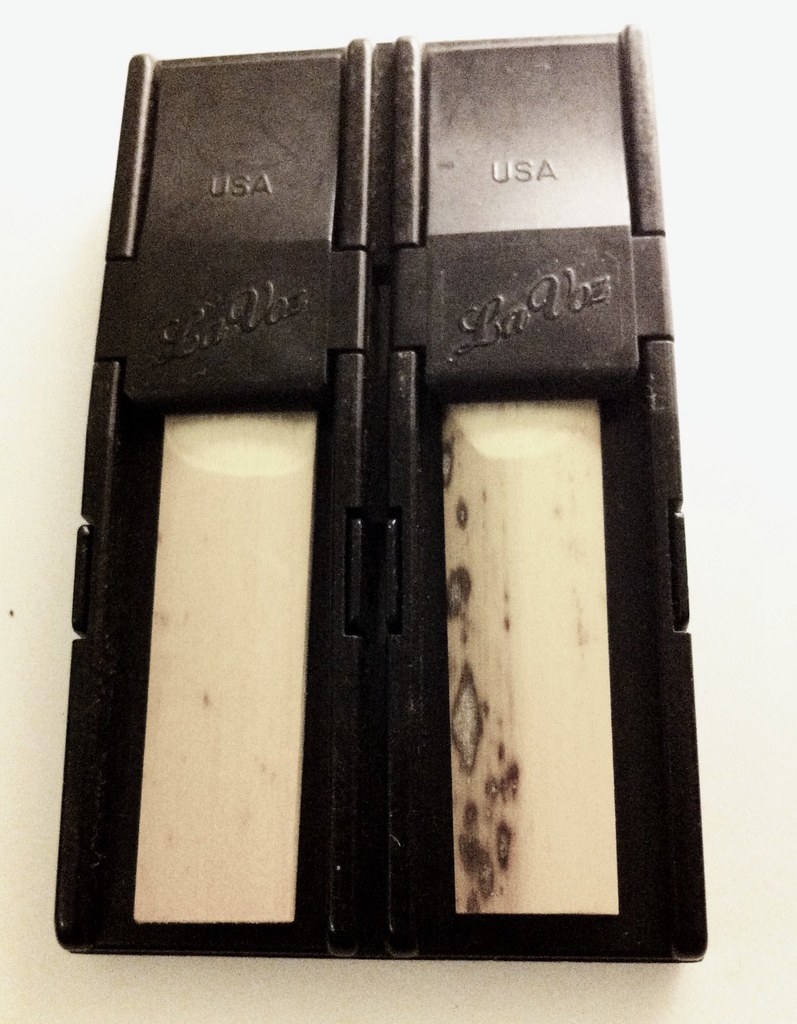
Keep cleaning tools separate
Use a clarinet body swab that passes freely through your instrument. A bass clarinet may need tools suited to its neck and bends. Keep reed storage separate from wet swabs, and follow the mouthpiece maker’s cleaning instructions rather than applying a wooden-body routine to the mouthpiece.
Check the next assembly
Inspect the reed tip before fitting it and check that the mouthpiece and joints seat normally. Do not force a connection while gripping the keys. If a cork or key mechanism changes suddenly, ask your teacher to check it. A stuck swab needs assistance, not a harder pull.
Your next practice
Keep daily care gentle, use tools approved for your model, and leave uncertain adjustments to someone trained to make them.
Sources & further reading
These manufacturer and educational references support the underlying care or playing principles. The short practice exercises are OpenScores suggestions; the sources do not review or endorse this article.
Was this article helpful?
Report something confusing
No personal details needed. Log in to submit; your feedback goes to the OpenScores admin panel.