After-playing care for double bass
Protect the finish and keep rosin from building up.
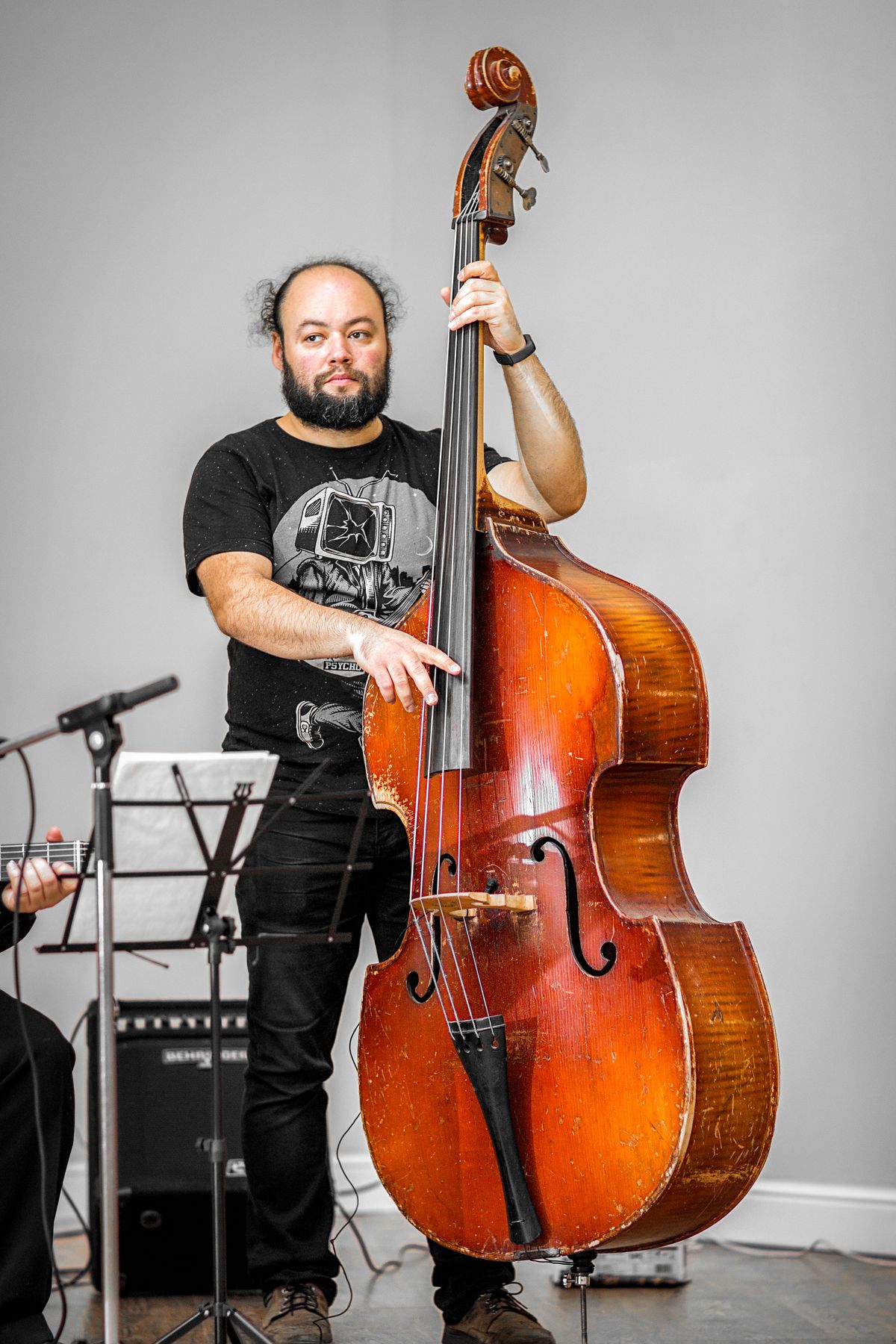
Double bass playing may involve a bow, pizzicato, or both. Because its size and setup vary, start with a position that lets you reach naturally and support the instrument securely.
A good after-playing routine should be simple enough to repeat. The aim is to remove normal moisture or residue, protect vulnerable parts, and notice problems early. Keep scheduled servicing with a qualified technician, and limit home care to routine cleaning.
This guide focuses on after-playing care for double bass. Work through the checks in order and bring persistent problems to a teacher who plays double bass. Adapt the routine to your instrument model and your teacher's instructions.
A gentle wipe
Use a clean dry cloth on the body and strings. Keep household cleaners, water, and alcohol away from the varnish. Ask a luthier to handle stubborn buildup.
Look after the bow
Loosen bow hair after playing and avoid touching it. Do not make the stick completely straight when tightening for use.
Store with support
Use the fitted case or an appropriate secure stand. Avoid heat and sudden humidity changes; check your maker’s guidance for the instrument.
Care for the technique you use
If you play with a bow, loosen its hair after playing and keep your fingers off the hair. Wipe fresh rosin dust from the double bass with a clean dry cloth. Pizzicato players still need gentle finish care; do not use household cleaners or alcohol on the varnish.
Store the large instrument securely
Use a suitable double-bass stand or fitted case and keep it clear of walkways. Follow your teacher’s handling routine when moving it and check the endpin support before playing. Ask a luthier about a shifting bridge, buzzing seam, or slipping peg rather than adjusting structural parts yourself.
Your next practice
Keep daily care gentle, use tools approved for your model, and leave uncertain adjustments to someone trained to make them.
Sources & further reading
These manufacturer and educational references support the underlying care or playing principles. The short practice exercises are OpenScores suggestions; the sources do not review or endorse this article.
Was this article helpful?
Report something confusing
No personal details needed. Log in to submit; your feedback goes to the OpenScores admin panel.