Double Bass: technique checks before blaming the instrument
Use a few deliberate checks before changing your equipment.
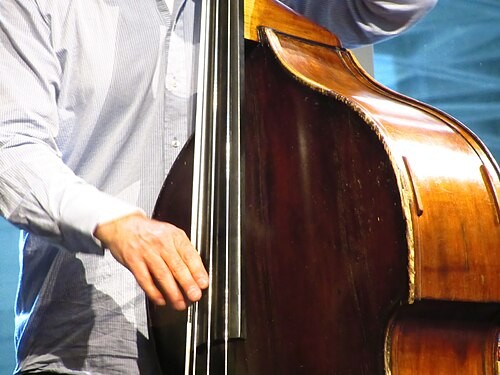
Double bass playing may involve a bow, pizzicato, or both. Because its size and setup vary, start with a position that lets you reach naturally and support the instrument securely.
When something does not work, repeating it faster often makes the cause harder to hear. Separate the problem into a short, repeatable task. Check the instrument and setup, choose one movement to observe, and compare the result before moving on.
This guide focuses on double bass: technique checks before blaming the instrument. Work through the checks in order and bring persistent problems to a teacher who plays double bass. Adapt the routine to your instrument model and your teacher's instructions.
Start with one variable
Buzzing can come from technique or setup. Check it with a teacher before raising the bridge, tightening hardware, or pressing harder with the left hand.
Left-hand habits
Keep fingers close to the string and use only the pressure needed for a clean note. Practice a small fingering pattern slowly, releasing tension between repetitions.
Know when to get help
Do not move the soundpost, straighten a bridge by force, or repair an opening seam yourself. Show a teacher or luthier any sudden change in response.
Locate the buzz
Note the double-bass string, finger position, and dynamic where a buzz occurs. Compare the open string with the stopped note, keeping the playing technique consistent. Bring the pattern to your teacher; pressing harder will not resolve every setup-related buzz.
Separate technique from structural changes
Test a short slow fragment with comfortable hand pressure. If the problem is sudden or accompanied by a visible bridge or seam change, stop and consult a luthier. Do not raise the bridge, move the soundpost, or tighten hardware by trial and error.
Your next practice
Make the problem smaller, work slowly enough to observe it, and use what you notice to choose the next step.
Sources & further reading
These manufacturer and educational references support the underlying care or playing principles. The short practice exercises are OpenScores suggestions; the sources do not review or endorse this article.
Was this article helpful?
Report something confusing
No personal details needed. Log in to submit; your feedback goes to the OpenScores admin panel.