Daily care for your euphonium
A daily routine is different from taking the instrument apart for a deep clean.
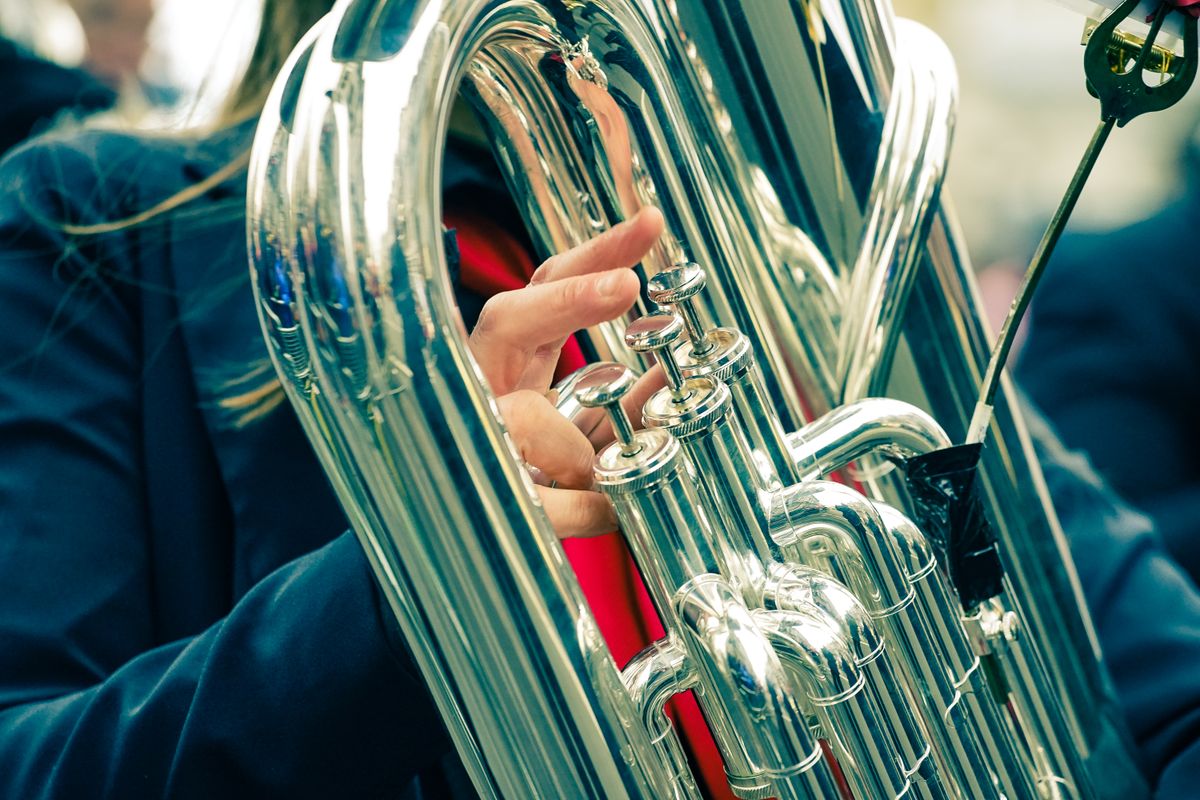
The euphonium combines a low-brass sound with valve coordination and substantial tubing. A comfortable supported position helps you work on response without using the mouthpiece to hold the instrument in place.
A good after-playing routine should be simple enough to repeat. The aim is to remove normal moisture or residue, protect vulnerable parts, and notice problems early. Keep scheduled servicing with a qualified technician, and limit home care to routine cleaning.
This guide focuses on daily care for your euphonium. Work through the checks in order and bring persistent problems to a teacher who plays euphonium. Adapt the routine to your instrument model and your teacher's instructions.
Drain and wipe
Empty water keys safely, wipe fingerprints, and place the instrument in its case. Clean the mouthpiece separately using an appropriate brush.
Pistons and slides
Follow your model’s instructions for piston oil and slide grease. Keep pistons in their correct numbered positions and avoid snagging valve springs.
Know the limits
A compensating euphonium has extra tubing. Do not dismantle valves or flush debris toward them without a demonstrated cleaning procedure.
Keep the piston routine organized
Check the euphonium manual before removing or oiling pistons. Keep each valve in its numbered location and use the specified lubricant. Avoid catching or bending springs during reassembly. A compensating model has additional tubing; do not dismantle it as though every euphonium has the same layout.
Drain and store securely
Use the instrument’s water keys and the draining procedure your teacher demonstrates. Wipe the finish lightly, then place the euphonium in its fitted case without loading the valve buttons. A stuck slide or piston needs inspection rather than extra leverage.
Your next practice
Keep daily care gentle, use tools approved for your model, and leave uncertain adjustments to someone trained to make them.
Sources & further reading
These manufacturer and educational references support the underlying care or playing principles. The short practice exercises are OpenScores suggestions; the sources do not review or endorse this article.
Was this article helpful?
Report something confusing
No personal details needed. Log in to submit; your feedback goes to the OpenScores admin panel.