Cleaning percussion: drums, cymbals, and bars
One cleaning product does not suit every percussion instrument.
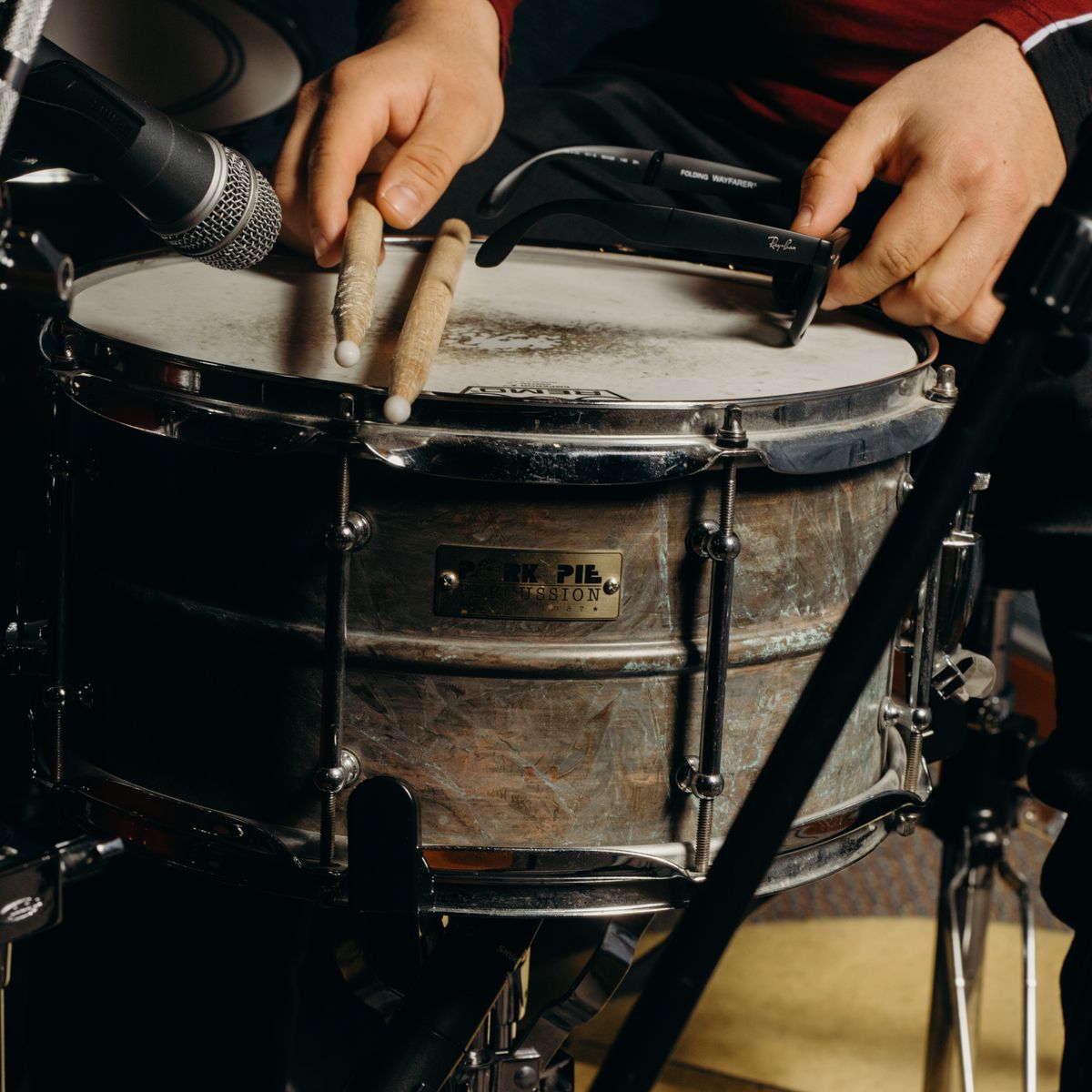
Percussion is a family of instruments, not one technique. Drums, cymbals, and keyboard percussion use different playing tools, surfaces, and care methods. Identify the instrument before choosing a routine.
A good after-playing routine should be simple enough to repeat. The aim is to remove normal moisture or residue, protect vulnerable parts, and notice problems early. Keep scheduled servicing with a qualified technician, and limit home care to routine cleaning.
This guide focuses on cleaning percussion: drums, cymbals, and bars. Work through the checks in order and bring persistent problems to a teacher who plays percussion. Adapt the routine to your instrument model and your teacher's instructions.
Drums and hardware
Wipe shells and hardware with a soft cloth; follow the maker’s finish instructions. Inspect stands, tension rods, and heads for damage rather than overtightening everything.
Cymbal finishes matter
Use a dry cloth for routine care. Check the manufacturer’s finish guidance before using polish; many traditional, natural, or specialty finishes should not be polished.
Keyboard percussion
Keep bars dry and use only approved cleaning methods and mallets. Wood and metal bars need different care. Have damaged bars, cords, and mechanisms checked.
Choose a surface-specific routine
Identify whether you are cleaning a drum shell, metal cymbal, wooden bar, or metal bar. Check the maker’s finish guidance before selecting any product. A polish intended for one cymbal finish may be unsuitable for another, and liquid cleaning can damage wooden bars. Start with approved gentle methods.
Inspect the playing setup
Before the next session, check that stands are secure and that cymbals have the appropriate sleeves and felts. Look for damaged drumheads, bars, cords, or hardware. Do not overtighten every fitting to hide movement; ask your teacher to inspect a part that no longer holds normally.
Your next practice
Keep daily care gentle, use tools approved for your model, and leave uncertain adjustments to someone trained to make them.
Sources & further reading
These manufacturer and educational references support the underlying care or playing principles. The short practice exercises are OpenScores suggestions; the sources do not review or endorse this article.
Was this article helpful?
Report something confusing
No personal details needed. Log in to submit; your feedback goes to the OpenScores admin panel.