A better percussion sound without hitting harder
The stroke, striking area, and tool change the sound as much as volume does.
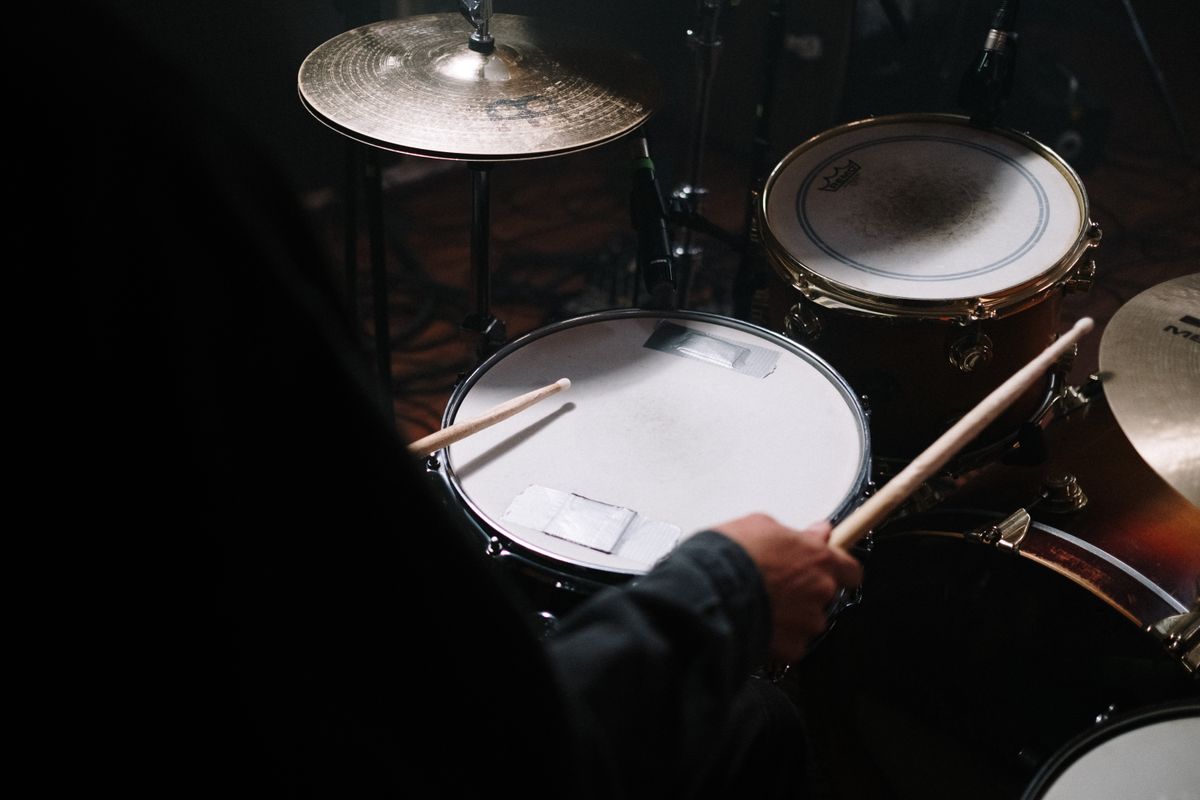
Percussion is a family of instruments, not one technique. Drums, cymbals, and keyboard percussion use different playing tools, surfaces, and care methods. Identify the instrument before choosing a routine.
A better sound rarely comes from changing every part of your playing at once. Begin with an easy note and a reliable setup, listen carefully, and try one small adjustment. You are looking for a repeatable improvement rather than one impressive note that takes extra effort.
This guide focuses on a better percussion sound without hitting harder. Work through the checks in order and bring persistent problems to a teacher who plays percussion. Adapt the routine to your instrument model and your teacher's instructions.
Let the stick rebound
Use a comfortable grip and allow the stick to return after the stroke. Avoid pressing it into the head after contact unless the technique specifically calls for it.
Match the tool
Use appropriate sticks, brushes, or mallets for the instrument. Very hard mallets can damage some wood bars; ask your teacher before swapping them.
Listen to the sound
Play four even strokes at a comfortable dynamic. Compare their tone and decay, then move deliberately to a different striking area and listen again.
Use one surface for the comparison
Choose a specific drum or keyboard percussion instrument and an appropriate stick or mallet. Play four strokes at one dynamic and listen to their tone and decay. Change the striking area only after the first attempt, so you can hear what that single change does.
Let the rebound stay free
On a drum or practice pad, try relaxed single strokes and allow the stick to return naturally. Compare the sound with the grip unchanged rather than hitting harder. For keyboard percussion, use the mallet type recommended for its bars; a drumstick exercise does not automatically transfer to every instrument.
Your next practice
Choose one comfortable task, change one variable, and keep the sound improvement you can repeat without extra strain.
Sources & further reading
These manufacturer and educational references support the underlying care or playing principles. The short practice exercises are OpenScores suggestions; the sources do not review or endorse this article.
Was this article helpful?
Report something confusing
No personal details needed. Log in to submit; your feedback goes to the OpenScores admin panel.