Even hands, clean rhythms, and dependable setup
Begin slowly enough to hear whether both hands produce the sound you intend.
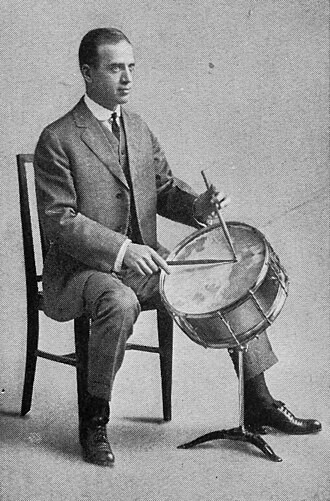
Percussion is a family of instruments, not one technique. Drums, cymbals, and keyboard percussion use different playing tools, surfaces, and care methods. Identify the instrument before choosing a routine.
When something does not work, repeating it faster often makes the cause harder to hear. Separate the problem into a short, repeatable task. Check the instrument and setup, choose one movement to observe, and compare the result before moving on.
This guide focuses on even hands, clean rhythms, and dependable setup. Work through the checks in order and bring persistent problems to a teacher who plays percussion. Adapt the routine to your instrument model and your teacher's instructions.
A simple control exercise
Play alternating right and left strokes at 60 BPM, four strokes per beat only when that speed is comfortable. Start with one stroke per beat and increase gradually.
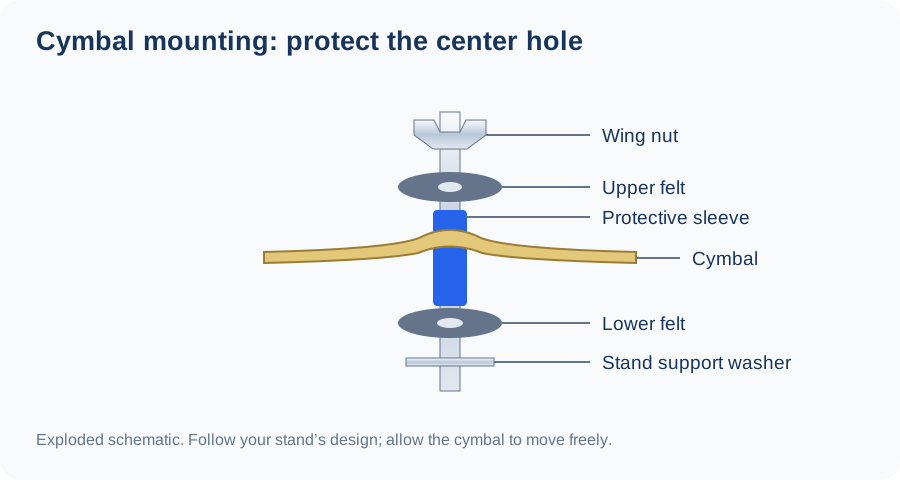
Keep setup reachable
Adjust stands and playing height so you do not have to twist or reach excessively. Check that cymbals have appropriate sleeves and felts and that stands are secure.
Different instruments, different skills
Snare rolls, timpani tuning, four-mallet grip, and cymbal technique deserve separate instruction. Use an instrument-specific lesson rather than treating every percussion part like drum set.
Compare the hands at a slow pulse
On one suitable drum or pad, alternate right and left strokes at an easy tempo. Listen for equal spacing and a similar sound. Keep the striking area consistent, then increase speed only while the strokes remain controlled. Rest if the grip starts tightening.
Name the skill you are studying
Identify whether the problem involves snare rebound, a roll, timpani tuning, cymbal movement, or keyboard mallets. Use a lesson specific to that instrument and technique. Record the tempo and pattern that fails so your teacher can recommend a focused exercise rather than treating every percussion part like drum set.
Your next practice
Make the problem smaller, work slowly enough to observe it, and use what you notice to choose the next step.
Sources & further reading
These manufacturer and educational references support the underlying care or playing principles. The short practice exercises are OpenScores suggestions; the sources do not review or endorse this article.
Was this article helpful?
Report something confusing
No personal details needed. Log in to submit; your feedback goes to the OpenScores admin panel.